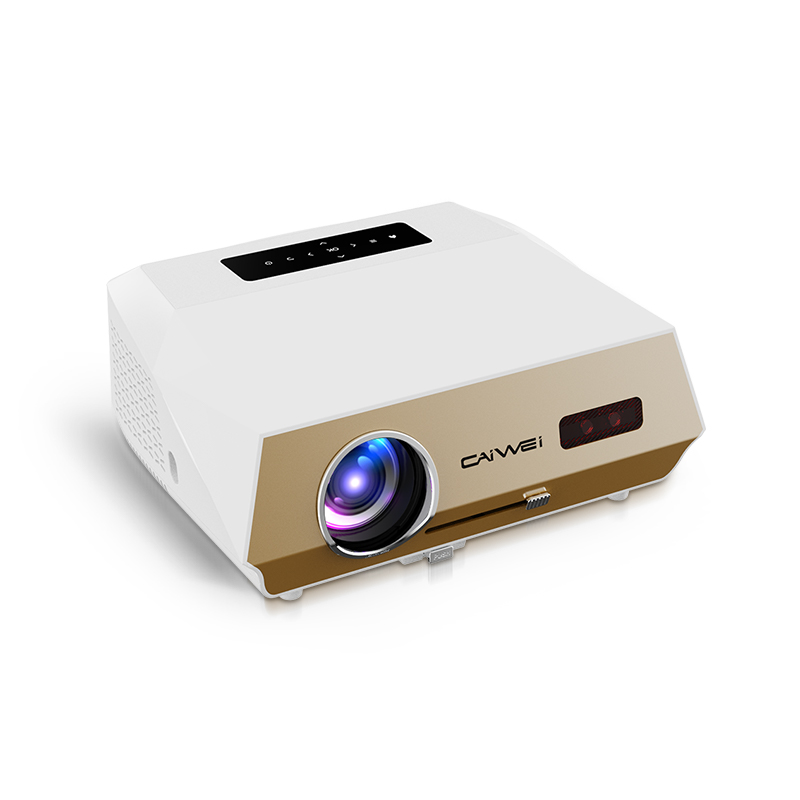
As technology continues to evolve, projectors have become a popular choice for home entertainment, offices, and educational environments. However, alongside the advantages of large-screen viewing and immersive experiences, projectors also come with environmental impacts, especially in terms of energy consumption. Fortunately, modern projector technology has made significant strides towards energy efficiency and eco-friendliness, offering users more sustainable options.
In this article, we’ll explore the environmental impact of projectors and provide tips on how to choose an energy-efficient, eco-friendly model to help you make a greener decision.

Energy Consumption of Projectors
Traditional projectors, especially those using high-pressure mercury lamps, can consume a substantial amount of electricity. These lamps require high power levels to achieve brightness, and their heat output often demands additional fan cooling, increasing overall energy consumption.
Impact of Energy Consumption
- Electricity Use
Traditional lamp-based projectors can consume between 300 to 500 watts, or even more for higher-brightness models.
- Heat Emission
Lamp-based projectors often generate significant heat, requiring extra cooling systems, which further increases energy use.
However, newer energy-efficient projectors—particularly LED and laser projectors—use advanced technologies to reduce power consumption while maintaining high-quality visuals.

Benefits of Energy-Efficient Projectors
LED Projectors
LED projectors are among the most energy-efficient options available. Compared to traditional mercury lamps, LED light sources are highly efficient and have a much longer lifespan. Benefits of LED projectors include:
- Lower Power Consumption
LED projectors generally consume between 50 to 200 watts, far less than traditional models.
- Extended Lifespan
LED light sources can last up to 20,000 hours or more, reducing the need for frequent bulb replacements and cutting down on environmental waste.
- Minimal Heat Generation
LED projectors produce less heat, which means they don’t require heavy-duty cooling systems, further reducing energy waste.
Laser Projectors
Laser projectors are also gaining popularity as a green alternative. Like LEDs, laser projectors offer excellent energy efficiency and extended lifespans. Benefits include:
- Higher Brightness with Lower Power
Laser projectors can achieve higher brightness levels without consuming excessive power, making them suitable for large-screen applications.
- Longer Light Source Lifespan
Laser projectors often have lifespans exceeding 20,000 hours, which means fewer replacements and less waste.
- Stability and Eco-Friendliness
Unlike traditional lamps, laser projectors do not contain mercury or other harmful chemicals, making them a safer, greener choice.
Green Choices for Projectors: How to Make an Eco-Friendly Decision
When choosing a projector with the environment in mind, look beyond energy efficiency to the projector’s overall eco-friendly design. Here are a few tips on how to pick a sustainable, energy-efficient projector:
- Choose LED or Laser Light Source Projectors
Both LED and laser projectors are more energy-efficient than traditional lamp-based models and don’t contain hazardous materials like mercury. With long-lasting light sources, these projectors require less frequent replacement, reducing waste and environmental impact.
- Look for Energy-Efficiency Certifications
Some projectors come with energy-efficiency labels or certifications, such as the ENERGY STAR rating, which helps users identify models that consume less power. Choosing a projector with a high energy-efficiency rating can help minimize environmental impact.
- Consider Standby Power Consumption
Many projectors consume a small amount of power even in standby mode. Look for projectors with low standby power consumption to reduce unnecessary energy use. Some models come with smart energy-saving modes that automatically minimize power usage when the projector is idle.
- Opt for Recyclable or Sustainable Designs
Environmentally-friendly projector brands often use sustainable materials in their products and offer recycling programs for end-of-life devices. Look for brands committed to eco-friendly practices throughout the product lifecycle.
Tips for Optimizing Projector Usage to Reduce Energy Waste
Choosing an energy-efficient projector is essential, but optimizing usage habits can further reduce energy consumption. Here are some tips to help reduce waste in day-to-day projector use:
- Adjust Brightness Settings
Lowering the brightness setting when full brightness isn’t necessary can conserve power. In a dark environment, reducing brightness can also extend the lifespan of the light source.
- Turn Off Standby Mode
Ensure the projector is fully powered off rather than left in standby mode to avoid unnecessary electricity consumption.
- Regular Maintenance and Cleaning
Keeping the projector’s cooling system and lens clean ensures it runs efficiently, avoiding additional energy usage due to overheating.
- Use Smart Timers or Schedulers
Some smart plugs or timers can help schedule automatic projector shutdowns, preventing energy waste from being accidentally left on for extended periods.
The Future of Projectors: Green Technology and Sustainable Innovation
As awareness of environmental issues grows, the projector industry is moving toward more sustainable and energy-efficient solutions. We can expect to see more innovations in low-energy, mercury-free projectors, as well as advancements in materials recycling and sustainable design.
When choosing a projector, it’s important to consider not only the performance and price but also the environmental impact. By selecting an energy-efficient, eco-friendly projector, you can enjoy immersive viewing experiences while contributing to a greener planet.
Conclusion
Selecting an eco-friendly, energy-efficient projector allows you to enjoy high-quality visuals while making a positive environmental impact. Whether you’re choosing a projector for home use, office presentations, or a home theater setup, prioritize LED or laser-based projectors to reduce energy consumption and increase longevity. By making a conscious choice, each of us can play a part in reducing the ecological footprint of our technology use and help protect our planet.