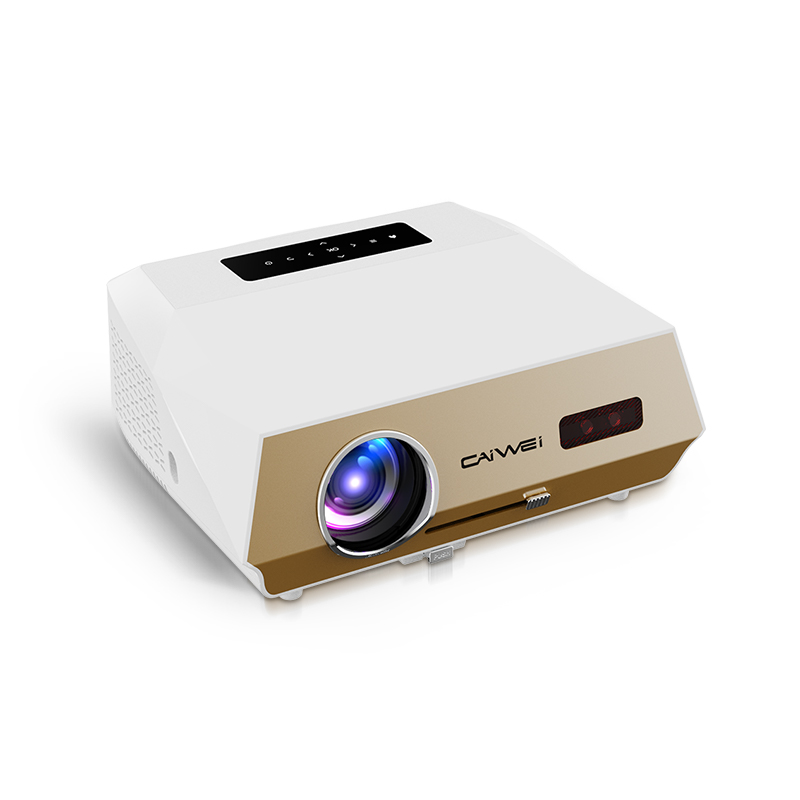
In today’s pursuit of the ultimate viewing experience, the color accuracy of projectors has become an important benchmark for measuring their performance. Color not only affects visual aesthetics, but also serves as an important carrier for conveying information and emotions. This article will delve into the multiple dimensions of color accuracy in projectors, from the significance of color accuracy to techniques for improving it, to provide you with a comprehensive understanding of this field

Meaning of Color Accuracy
Color accuracy refers to the degree of similarity between the colors displayed by a projector and the colors of the original image or video source. High color accuracy means that the projected image can more realistically restore the true color of the object, enhancing the visual experience of the viewer. Whether enjoying a movie in a home theater or displaying charts in a business meeting, a color accurate projector can bring clearer and more vivid visual effects.
Color principle of projector
The color performance of a projector is based on its light source and display technology. LED light source projectors generate colors by mixing different colored LEDs, while laser projectors use monochrome or tri color laser sources to achieve precise color control through optical path systems and digital image processing technology. The generation and restoration of colors involve the mixing and adjustment of the three primary colors of light (red, green, blue), as well as the optimization of color management systems
Analysis of influencing factors
The color accuracy of projectors is affected by various factors, including but not limited to:
- Light source type
Laser light sources are often superior to LEDs and traditional light bulbs due to their high brightness and pure color performance
- Color Management System
Advanced color management system can more accurately restore colors and reduce color deviation
- Projection lens quality
High quality lenses can effectively reduce color difference and improve color accuracy
- Usage environment
Environmental lighting, projection screen material, and color all have an impact on color expression
Color calibration method
Color calibration is the process of adjusting the color parameters of a projector to display colors that are as consistent as possible with standard colors. Common color calibration tools include color calibrators and software, such as Datacolor SpyderXElite or CalMAN software. The calibration process involves adjusting parameters such as brightness, contrast, white balance, and color saturation to achieve optimal color effects

Professional color standards
Professional color standards such as sRGB, Rec.709, DCI-P3, and BT.2020 provide benchmarks for the color performance of projectors. SRGB is mainly used for computer display and Internet content. Rec.709 is the color standard of HDTV, DCI-P3 is the color space of the film industry, and BT.2020 is the color standard of the next generation of ultra-high definition television (4K/8K). Choosing a projector that supports these color standards can ensure its color accuracy in specific application scenarios
Suggestions for purchasing projectors
When choosing a projector, in addition to considering resolution, brightness, and contrast, attention should also be paid to its color accuracy. Choosing a projector that supports professional color standards, such as products using a three color laser source, typically provides a wider color gamut and more accurate color representation. In addition, reviewing user reviews and professional evaluations to understand the color reproduction ability of the projector is also an important reference when making a purchase
Practical application case analysis
Taking Caiwei’s home projector as an example, its LED technology has a color gamut coverage of up to 110% DCI-P3, which can accurately restore color details in movies, such as skin tones, natural landscapes, etc., bringing audiences an immersive viewing experience. In terms of commercial applications, color accurate projectors can ensure the authenticity and consistency of colors when displaying design works and advertising videos, enhancing professional image.
Techniques for improving color accuracy
- Environment optimization
Choose a projection environment with darker lighting and use dark or anti light curtains to reduce the impact of ambient light on color.
- Regular calibration
Regularly use professional color calibration tools for calibration to maintain the color accuracy of the projector
- Choose high-quality content
Watch high-quality video sources such as Blu ray movies or HDR content to fully utilize the color rendering capabilities of projectors.
- Software optimization
Utilize the built-in color adjustment function of the projector or third-party color management software to further optimize color performance.

Conclusion
In short, color accuracy is one of the important indicators for measuring the performance of projectors, which directly affects the visual effects of viewing and display. By understanding the principles of color, influencing factors, calibration methods, and improvement techniques, we can better choose and use projectors, and enjoy a more realistic and vivid color world